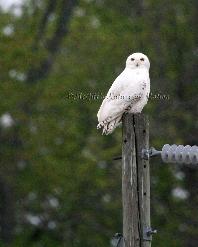
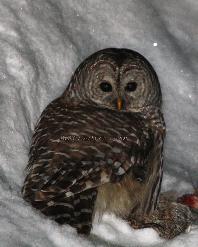
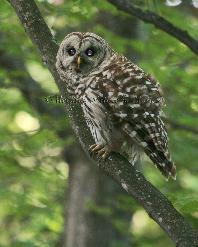
March 3, 2016 Fifteeen Snowy owls
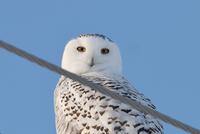
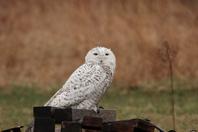
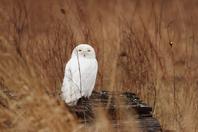
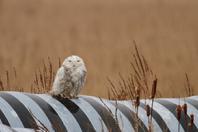
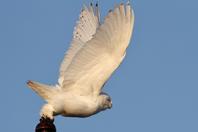
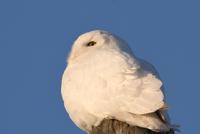
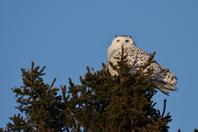
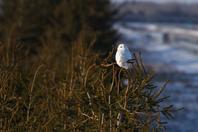
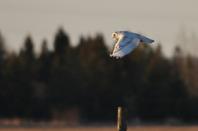
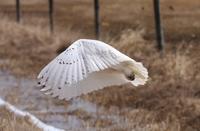
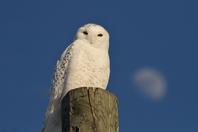
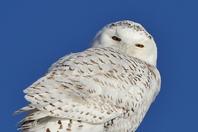
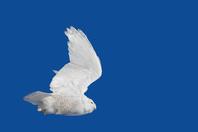
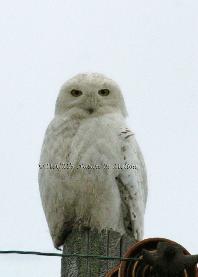
FIFTEEN SNOWY OWLS today!! So it looks like they are starting their migration back to the Arctic. Several of the 'regulars' are still in the area...Our Girl...Sad Eyes...Hantz...Winky and Mad Eye are all still here. Hopefully there will still be time to get back up there and see them again before they go. Well, I got a lot of action shots...butt action that is…although I at least got the talons. A couple of our snowy owls have had just about enough of the paparazzi in the Rudyard area. They will let you get just so close...and they're gone.
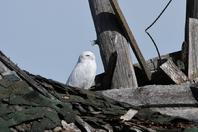
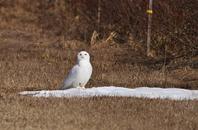
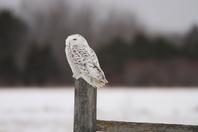
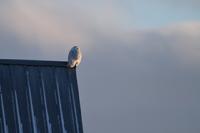
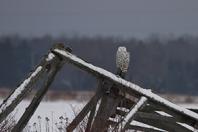
"Sad Eyes"...who I think was the one in the snow shot...the first one we saw today...finally showed itself on top of this barn later in the afternoon. I would have loved to have had just a little more light in that sky today. But I will be glad for the time with these beautiful raptors...soon to return to their homes in the Arctic tundra.
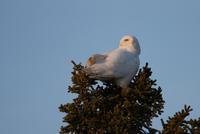
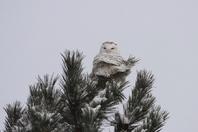
"Our Girl" was being coy...not letting me too close to her....in the truck. She landed in the field...and was not happy with us driving near her...again. She gave me this look of disgust...trying to figure out how to get back to her spruce tree without getting too close to me. Of course I took my eyes off of her for just a second...and "bam" she flew...circling me...and flying back to her precious tree. FYI I am on the running board of the truck with the door open as Michael is slowly driving down the road. I was hoping for just a little setting sun on her...but of course the clouds came in to eat up the precious glimpse that I may have gotten. Oh well, there is hopefully another chance or two before they leave to head back to the Arctic tundra.
February 22, 2016 Ten snowy owls
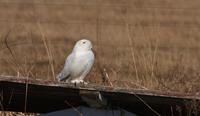
The first one we found...that I spied with my little eye…. was sitting on the ground behind the truck & trailer repair shop. It was as happy as a bug in a rug...and far away from the road and the paparazzi
Well, no more snowy owls around Rudyard...that we could see at the moment...so off to Pickford we went. Are you kidding me???? No snowy owls to be SEEN. Ok...I'm getting depressed. It's 3:00pm. We were given a gift finding this pair of bald eagles enjoying a couple of rays of sunlight. We also discovered why they were there...I think they are building a new nest!!!
Then we headed back to Rudyard for our late afternoon run around. We immediately found two of them on fence posts back along a seasonal road. Things were starting to look up
The other snowy owl that was sitting on a fence post got spooked by a car driving down the unplowed two tracks.
Mad Eye....our one eyed snowy owl... was sitting on the edge of her boat checking it out. She knows spring is just around the corner...time to get ready to head out on the big waters
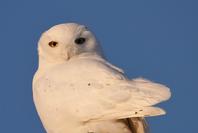
We met a handsome male snowy owl when the sun peeked through the clouds this afternoon. Yeah...patience pays off!!!
It was great to finally meet our friend, Rose Ann King, the rural mail carrier for Rudyard. I was photographing Our Girl on the barn when she was delivering mail on Centerline Rd. Thanks for the tip, Rose...we found a new female snowy owl…the best shots of the day...so I called her "Rose".
I caught a shot of “Rose” as she gazed into the only rays of sunlight this afternoon. Priceless. And my mantra of the day....patience pays off...patience pays off. And it finally did. TEN SNOWY OWLS!!!!
The excitement wasn't over....we found "Sad Eyes" along Centerline Rd.
We found a 'new' guy further down Centerline Rd. It looks like he is winking...but he seemed to have a weak eye...not injured that I could see.
While I was photographing "Winky"...Michael spotted another guy landing on a pole at the ball park in Rudyard....across the section.
We found "Our Girl" flying...she landed in her spruce tree. But as I was taking a couple of photos...she flew...then she flew again. If you want to see active snowy owls...wait till it's almost dark....dang it. Oh well, it's just awesome to see them...even when you can barely see them.
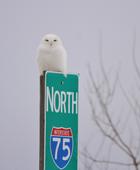
The last snowy owl of the evening was hanging out along the expressway as we were heading home. So what started as a disappointing day...ended up being an awesome day….and so goes the world of wildlife photographer.
February 14, 2016
You want to find snowy owls???? Well....you need to look...everywhere!!!! Fence posts...old ruins...Collision shop poles...trees in the middle of a field...water towers...barn roofs...hay rakes...on the ground and remember the abandoned mobile homes. Yep...they're there...just keep your eyes peeled.
My favorite moment from our amazing day today in the U.P. was finding a gorgeous snowy owl just sitting out of the wind...chilling out…on a knoll. This was the first snowy we found...and lucky for me the sun was still shining. It didn't seem to mind me. It actually walked around a bit...ignoring me.
The Hantz Rd. snowy owl was out and about when we came back from the Pickford area. Love the barring on this one. It is definitely in charge of its own territory. It barely gave me the time of day.
It was great to see Mad Eye. We actually witnessed her chasing the "Collision" snowy owl off. Their territories are marked...and woe to the one that crosses it.
What a blessing to at least get to spend a day once in a while with these amazing raptors. Last year on this day I had photographed at least one snowy...twenty days straight. But I'll take what I can get.
No better way to end our amazing day in the U.P. photographing snowy owls. ..then to photograph a beauty enjoying the last of moments of sunlight on an old barn...perfect.
February 7, 2016 Six snowy owls
We started our Super Bowl Sunday of Snowy Owls...in the snow. We were happy to have 'Mad Eye' be the first snowy we found today. She had just been hunting...successfully...and flew up on this pole to show us she was fine.
Our next was a beautiful snowy owl…enjoying a spot out of the gusting southeast winds and blowing snow. The temperatures may have said 34 but it was definitely somewhere in the teens with the wind chill factored in...but so worth it.
Well between the heavy falling snow and the gusting winds...we decided to take a lunch break and head up to the Soo. Wow...we hit a winter wonderland. You couldn't even see the water. Well, we decided to head down to Pickford. Lots of cars in the ditch...driving too fast for conditions...keep the State Police and tow trucks busy.
We had to make a second run around the Pickford area before we found a handsome snowy owl. At least the snow had quit falling by this time.
Then back in the Rudyard area...we found a happy guy sitting along a dead end road. He had actually just quit preening...making him appear like he was laughing. Love to see that beautiful big black beak.
On M 48 we found a large female snowy owl. She had just popped back up on a utility pole after eating something. So she was content to just to sit. We found her closer to the expressway before we headed home.
Then just as we were getting ready to head back to the expressway we found another snowy owl being harassed by a big raven. It had flown as we were driving by...then it headed back to this utility pole...in someone's yard. The raven went and tried to intimidate it. The raven then went and landed on these people's roof and was carrying on...pecking at some ice...like it was food. The snowy was very unsettled. We decided to leave it alone...but just as we were pulling away...it flew again...and landed back on the pole. So as we were ready to pull away for the second time...it flew again...swooping around the field. Then it finally flew way back in the field to land on a utility pole for the night.
It was a great way to end Super Bowl Sunday of Snowy Owls with six snowy owls. We did see other snowies back on poles but we were pretty sure it was the two from Centerline...'Mad Eye' and the 'Barn Owl'.
January 24, 2016 Seven snowy owls
We had decided last night to head to the U.P. to look for some snowy owls that had been sighted around Rudyard. But...this morning we had three eagles sitting in the tree across the road. So...I decided to go out for a little while...just in case....no luck.
So we headed to the U.P. We had almost immediately started spotting them...way out in the field...on top of very high utility poles...of course. We also found a coyote...then we found a beautiful female on a downed building...close enough for photos...then just down the road we found a smaller barred owl on an old outbuilding. We were so excited to find four different snowies within a two mile radius. We then headed down toward Pickford where we found yet another snowy owl out in a field on a tall pine tree off Hantz/48. We found nothing around Pickford...so back to Rudyard where we found another snowy on a pole barn and another one on a utility pole making seven snowy owls…a happy day indeed.